July 2026 – gstcomplianceexperts

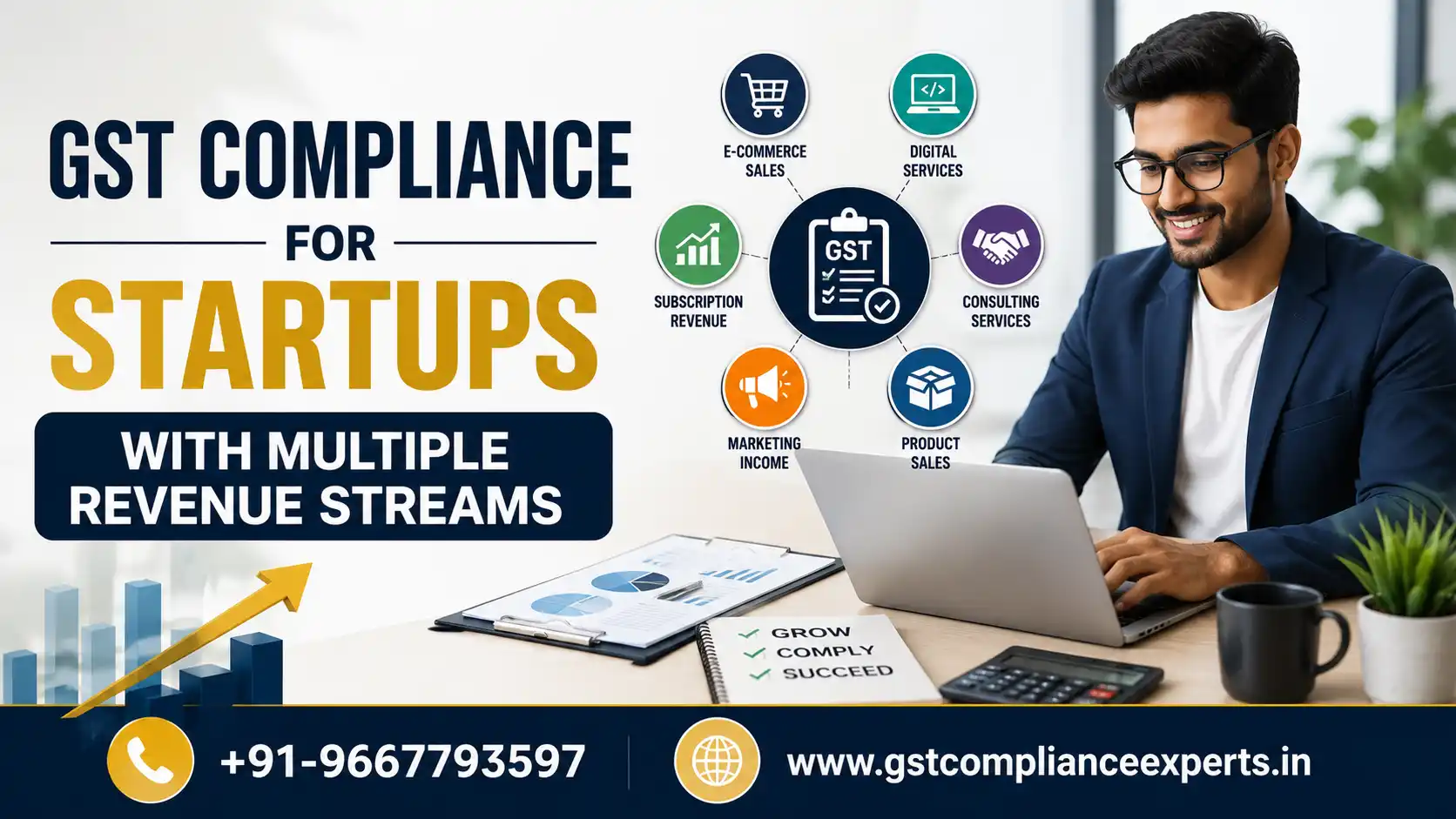
GST Compliance for Startups with Multiple Revenue Streams: Complete Guide

Startups today rarely rely on a single source of income. Many operate with multiple revenue streams such as product sales, service offerings, subscriptions, affiliate income, and digital products. While this diversification boosts growth, it also makes GST compliance more complex.

Understanding gst compliance services for startups is essential to manage different tax treatments, avoid errors, and ensure smooth operations. Without proper compliance, startups risk notices, penalties, and financial losses.

What Are Multiple Revenue Streams Under GST?

Multiple revenue streams refer to earning income from different types of activities within the same business. For example:

  • Selling physical products
  • Providing services (consulting, digital marketing, etc.)
  • Subscription-based models
  • Online courses or digital downloads
  • Affiliate or commission income

Each of these streams may have different GST implications, making compliance more challenging.

GST Challenges for Startups with Multiple Revenue Streams

Startups face several challenges when managing GST across different income sources:

  • Different GST rates for goods and services
  • Complex classification of supplies
  • Mixed and composite supply issues
  • Input tax credit (ITC) allocation
  • Multiple invoicing formats
  • Interstate and online transactions

These challenges require proper planning and expert guidance.

Importance of Correct Classification

One of the most critical aspects of GST compliance is correct classification of goods and services.

Incorrect classification can lead to:

  • Wrong GST rates
  • Underpayment or overpayment of tax
  • GST notices and penalties

Professional gst experts for compliance in Delhi can help ensure accurate classification and compliance.

Handling Mixed and Composite Supplies

Startups offering bundled products or services must determine whether the supply is:

  • Mixed supply (taxed at highest rate)
  • Composite supply (taxed based on principal supply)

Misclassification can significantly impact tax liability.

Input Tax Credit (ITC) Management

Managing ITC becomes complex when multiple revenue streams are involved.

Key considerations:

  • ITC is allowed only for taxable supplies
  • Proportionate ITC must be calculated for mixed use
  • Proper documentation is required
  • ITC must match GSTR-2B

Incorrect ITC claims are one of the main reasons for GST notices.

GST Registration and Structure

Startups with diverse operations must ensure proper GST registration:

  • Single vs multiple registrations (state-wise)
  • Correct business activity selection
  • Proper linkage of revenue streams

A gst legal consultant for startups can help structure registration efficiently.

Invoicing and Documentation

Each revenue stream may require different invoicing practices.

Important points:

  • Issue GST-compliant invoices for all taxable supplies
  • Maintain separate records for each revenue stream
  • Include correct HSN/SAC codes
  • Track interstate and export transactions

Proper documentation is essential for audits and compliance.

GST Return Filing for Multiple Revenue Streams

Startups must ensure accurate reporting of all income sources in GST returns:

  • GSTR-1 for outward supplies
  • GSTR-3B for summary reporting

All revenue streams must be correctly reflected to avoid mismatches.

Common Mistakes Startups Make

Many startups make errors due to lack of clarity:

  • Treating all income under a single GST rate
  • Incorrect classification of supplies
  • Ignoring ITC restrictions
  • Not reconciling multiple revenue streams
  • Delayed or incorrect return filing

These mistakes increase compliance risks.

Role of GST Compliance Experts

Professional gst compliance services for startups provide structured support:

  • Classification of revenue streams
  • ITC management and reconciliation
  • Accurate GST return filing
  • Compliance monitoring
  • Audit preparation

Working with gst experts for compliance in Delhi ensures that startups remain compliant as they scale.

Importance of GST Legal Consultant and Advocate

For complex transactions or disputes, legal expertise is essential.

A gst legal consultant for startups and gst advocate in Delhi can assist with:

  • Legal interpretation of GST provisions
  • Handling GST notices and audits
  • Drafting replies and documentation
  • Representing before authorities

This ensures that startups are legally protected.

Benefits of Proper GST Compliance for Startups

Maintaining proper GST compliance offers several advantages:

  • Avoidance of penalties and notices
  • Accurate tax management
  • Improved investor confidence
  • Smooth business operations
  • Scalability without compliance issues

It also enhances credibility with clients and partners.

Best Practices for Startups

To manage GST effectively, startups should:

  • Maintain separate records for each revenue stream
  • Perform regular reconciliation
  • Use automated accounting tools
  • Verify ITC before claiming
  • Stay updated with GST regulations
  • Seek expert assistance

Consistency and accuracy are key to compliance.

Why Choose GST Compliance Experts?

At GST Compliance Experts, we provide specialized gst compliance services for startups tailored to businesses with multiple revenue streams.

Our services include:

  • GST registration and structuring
  • Return filing and reconciliation
  • ITC management
  • Audit support and compliance review
  • Notice handling and legal assistance

With experienced GST advocates in Delhi and compliance professionals, we help startups manage GST efficiently.

Final Thoughts

GST compliance for startups with multiple revenue streams can be complex, but with proper understanding and expert support, it can be managed effectively. Accurate classification, proper ITC management, and regular reconciliation are essential to avoid risks.

If you are looking for reliable gst compliance services for startups or need guidance from gst experts for compliance in Delhi, GST Compliance Experts is your trusted partner for complete GST solutions.
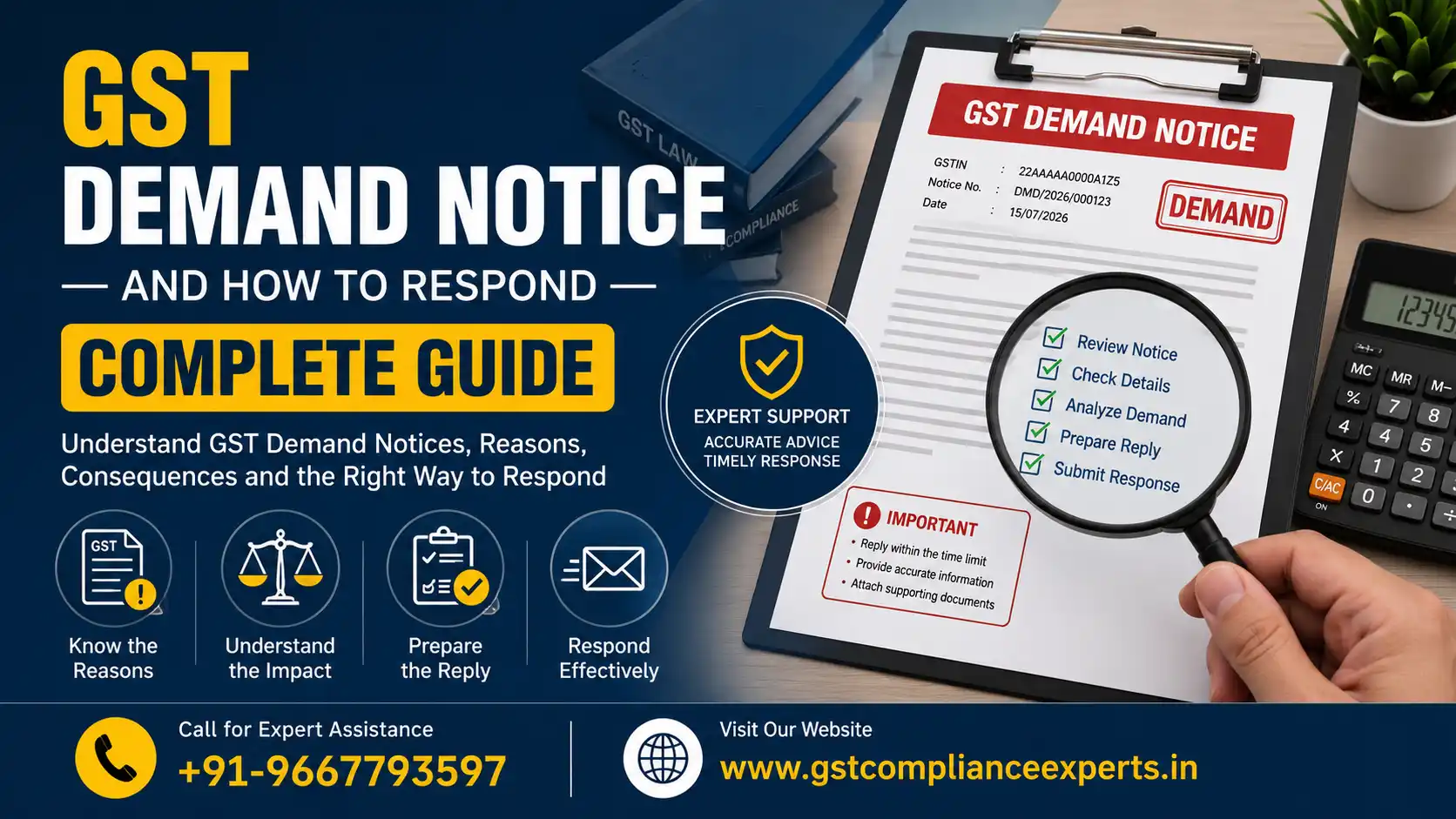
GST Demand Notice and How to Respond: Complete Guide

Receiving a GST demand notice can be alarming for any business. It usually indicates that the GST department believes there is a short payment of tax, excess input tax credit (ITC) claimed, or non-compliance in filings. Ignoring or mishandling such notices can lead to heavy penalties and legal consequences.

Understanding how to respond correctly is essential to protect your business. With professional gst demand notice services in Delhi, businesses can handle notices efficiently and avoid unnecessary risks.

What is a GST Demand Notice?

A GST demand notice is issued by tax authorities when they identify discrepancies in your GST returns, payments, or records. It demands payment of tax along with interest and penalties.

Common sections under which notices are issued include:

  • Section 73 (non-fraud cases)
  • Section 74 (fraud or willful misstatement cases)

Each notice specifies the reason, amount payable, and deadline for response.

Common Reasons for GST Demand Notices

Businesses may receive demand notices due to:

  • Mismatch between GSTR-1 and GSTR-3B
  • Excess or incorrect ITC claims
  • Non-payment or short payment of tax
  • Errors in GST returns
  • Non-filing of returns
  • Discrepancies found during audit

Identifying the exact reason is crucial for preparing an accurate response.

Types of GST Demand Notices

Understanding the type of notice helps in determining the response approach:

  • Show cause notice (SCN) asking for explanation
  • Demand order specifying tax liability
  • Recovery notice for unpaid dues
  • Audit-related demand notice

Each type requires a specific response strategy.

What Happens If You Ignore a GST Demand Notice?

Ignoring a demand notice can lead to serious consequences:

  • Additional penalties and interest
  • Recovery proceedings (bank attachment, asset seizure)
  • Cancellation of GST registration
  • Legal action and prosecution

Prompt action is essential to avoid escalation.

Step-by-Step Process to Respond to GST Demand Notice

Handling a GST demand notice requires a structured approach:

1. Carefully Read the Notice

Understand the reason, section, and amount involved. Identify the discrepancies mentioned.

2. Verify the Details

Cross-check the notice with your GST returns, books of accounts, and supporting documents.

3. Gather Supporting Documents

Collect invoices, returns, reconciliation statements, and any other relevant records.

4. Prepare a Proper Reply

Draft a clear and legally sound response addressing each issue raised in the notice.

5. Submit Reply on GST Portal

Upload your response within the prescribed deadline.

6. Attend Hearing if Required

In some cases, you may need to appear before the GST officer for clarification.

Professional gst experts for notice reply in Delhi can ensure that your response is accurate and effective.

Key Points to Consider While Responding

When replying to a GST demand notice, keep the following in mind:

  • Respond within the deadline
  • Provide complete and accurate information
  • Attach all necessary documents
  • Avoid vague or incomplete replies
  • Maintain proper communication records

A well-prepared reply can significantly reduce or eliminate the demand.

Role of GST Experts in Handling Demand Notices

Professional gst demand notice services in Delhi provide comprehensive support:

  • Detailed analysis of the notice
  • Identification of errors and discrepancies
  • Drafting of legally compliant replies
  • Submission and follow-up
  • Representation before GST authorities

Their expertise helps in resolving issues quickly and efficiently.

Importance of GST Legal Consultant for New Businesses

New businesses often face compliance challenges due to lack of experience.

A gst legal consultant for new businesses can help with:

  • Understanding GST laws and requirements
  • Preventing errors in filings
  • Handling notices professionally
  • Ensuring long-term compliance

This reduces the risk of future notices.

Role of GST Advocate in Complex Cases

In cases involving high tax demands or legal disputes, a gst advocate Delhi becomes essential.

They assist with:

  • Legal representation before authorities
  • Drafting detailed replies and appeals
  • Handling litigation and disputes
  • Protecting your business interests

Legal expertise is crucial in serious cases.

Tips to Avoid GST Demand Notices

Prevention is always better than cure. Follow these tips:

  • File GST returns accurately and on time
  • Reconcile data regularly
  • Verify ITC before claiming
  • Maintain proper records
  • Stay updated with GST laws
  • Seek professional assistance

These practices help minimize compliance risks.

Benefits of Professional GST Demand Notice Services

Hiring experts offers several advantages:

  • Accurate and timely response
  • Reduced risk of penalties
  • Proper documentation and representation
  • Faster resolution of issues
  • Peace of mind for business owners

This ensures that your business remains compliant and protected.

Why Choose GST Compliance Experts?

At GST Compliance Experts, we provide reliable gst demand notice services in Delhi tailored to your business needs.

Our services include:

  • GST notice analysis and reply drafting
  • Submission and follow-up
  • Representation before GST authorities
  • Legal consultation and advisory
  • End-to-end GST litigation support

With experienced gst advocate delhi and compliance professionals, we ensure effective handling of GST demand notices.

Final Thoughts

A GST demand notice is a serious matter that requires immediate and proper action. Ignoring or mishandling it can lead to financial loss and legal complications.

By understanding the process and seeking help from professional gst demand notice services in Delhi, businesses can resolve issues efficiently and maintain compliance.

If you have received a GST demand notice or need expert guidance, GST Compliance Experts is your trusted partner for accurate and hassle-free resolution.


Frequently Asked Questions (FAQs)

  1. What is a GST demand notice?
    A GST demand notice is issued by the tax department when there is a discrepancy in your GST returns, such as short payment of tax, excess ITC claimed, or non-compliance.
  2. Under which sections are GST demand notices issued?
    GST demand notices are commonly issued under Section 73 (non-fraud cases) and Section 74 (fraud or willful misstatement cases).
  3. What is the time limit to respond to a GST demand notice?
    The response time usually varies depending on the notice but is generally between 7 to 30 days. It is important to respond within the deadline.
  4. What happens if I ignore a GST demand notice?
    Ignoring a notice can lead to penalties, interest, recovery actions like bank attachment, and even cancellation of GST registration.
  5. Can I respond to a GST demand notice myself?
    Yes, you can respond via the GST portal. However, incorrect replies may increase liability, so consulting gst experts for a notice reply in Delhi is recommended.
  6. What documents are required to reply to a GST demand notice?
    You may need invoices, GST returns (GSTR-1, GSTR-3B), reconciliation statements, and other supporting financial records.
  7. How can GST demand notice services in Delhi help?
    GST demand notice services in Delhi assist in analyzing notices, drafting replies, submitting responses, and representing you before GST authorities.
  8. When should I hire a GST legal consultant or advocate?
    You should consult a gst legal consultant for new businesses or a gst advocate Delhi in cases of high tax demand, legal disputes, or complex notices.
  9. Can GST demand notices be challenged or appealed?
    Yes, if you disagree with the demand order, you can file an appeal within the prescribed time limit under GST law.
  10. Why choose GST Compliance Experts for handling GST demand notices?
    GST Compliance Experts provide expert analysis, accurate reply drafting, legal support, and end-to-end assistance to resolve GST demand notices efficiently.

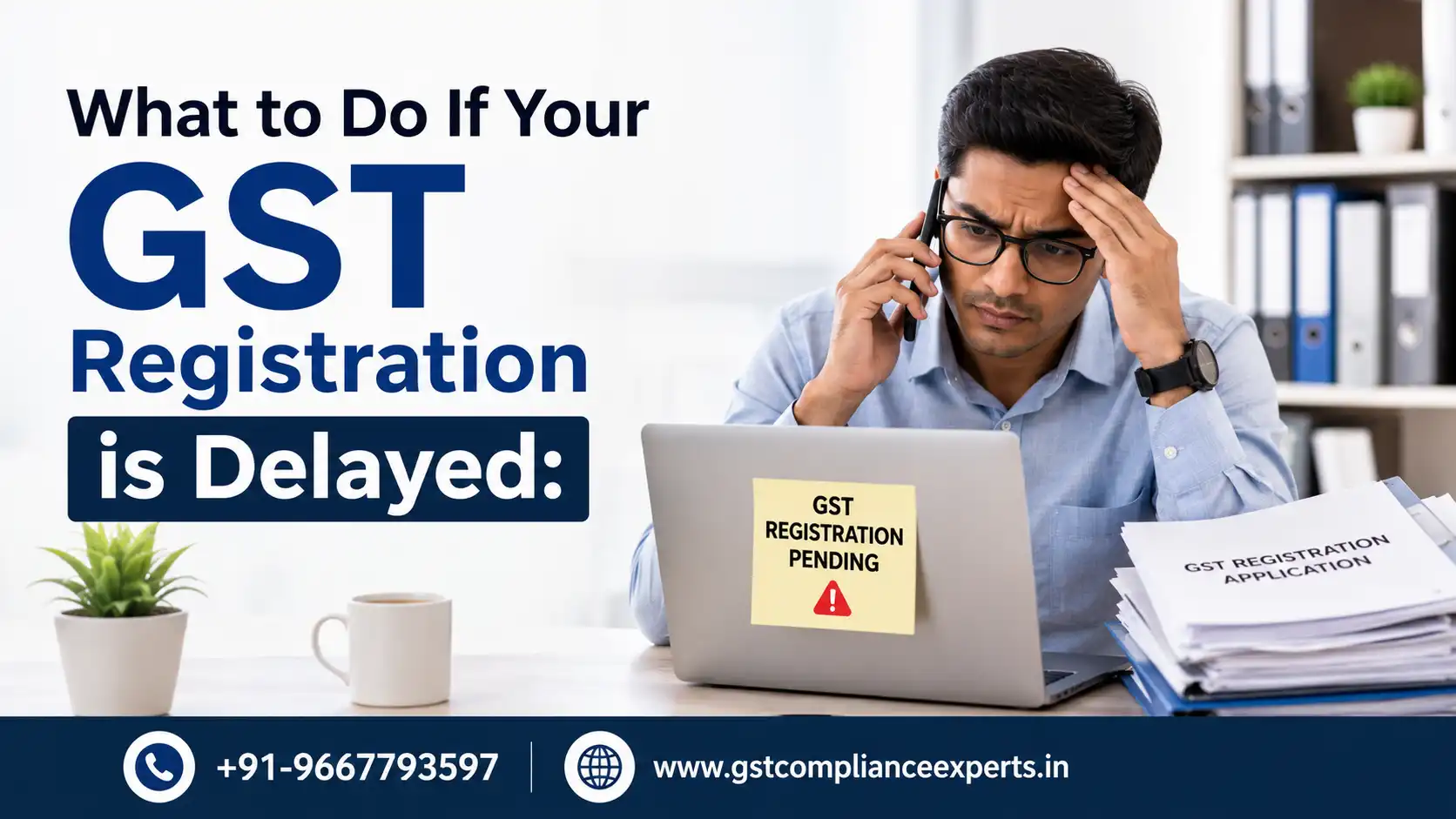
What to Do If Your GST Registration is Delayed: Complete Guide

GST registration is a crucial step for starting or expanding a business in India. However, many applicants face delays in receiving their GSTIN due to documentation errors, verification issues, or procedural gaps. These delays can affect business operations, invoicing, and compliance.

If you are facing such issues, understanding the reasons and solutions can help you resolve them quickly. With the help of professional gst registration services in Delhi, you can avoid unnecessary delays and ensure faster approval.

How Long Does GST Registration Normally Take?

Under normal circumstances, GST registration is approved within 3 to 7 working days after successful submission and Aadhaar authentication. However, delays may occur if:

  • Documents are incorrect or incomplete
  • Additional verification is required
  • The application is marked for scrutiny
  • Queries are raised by the GST officer

Understanding the cause of delay is the first step toward resolution.

Common Reasons for GST Registration Delay

There are several reasons why GST registration applications get delayed:

1. Incorrect or Incomplete Documents

Uploading invalid, unclear, or mismatched documents is one of the most common reasons for delay.

2. Aadhaar Authentication Failure

If Aadhaar verification fails, the application may be sent for physical verification, increasing processing time.

3. Query Raised by GST Officer

Authorities may ask for additional information or clarification before approving the application.

4. Address Verification Issues

Mismatch in address proof or missing NOC can lead to delays.

5. Technical Errors on Portal

Sometimes, system glitches or portal issues may also slow down the process.

6. Wrong Selection of Business Details

Incorrect business activity or structure can trigger verification checks.

What to Do If Your GST Registration is Delayed

If your application is taking longer than expected, follow these steps:

1. Check Application Status

Log in to the GST portal and track your Application Reference Number (ARN) to see the current status and updates.

2. Respond to Queries Promptly

If any query or notice is raised, respond within the given time with proper documents and clarification.

3. Verify Uploaded Documents

Ensure all documents are clear, valid, and match the application details.

4. Re-submit Application if Required

In case of rejection, correct errors and apply again with accurate information.

5. Follow Up with Authorities

If the delay is prolonged, professional follow-up may be required.

6. Consult Experts

Taking help from gst experts for new registration in Delhi can significantly speed up the process and avoid repeated errors.

Impact of Delayed GST Registration

Delays in GST registration can affect your business in several ways:

  • Inability to issue GST invoices
  • Loss of business opportunities
  • Ineligibility to claim input tax credit
  • Compliance issues with clients and vendors
  • Delay in starting operations

This makes it important to resolve delays quickly.

How GST Experts Help in Faster Registration

Professional gst registration services in Delhi provide end-to-end support to ensure timely approval.

They help with:

  • Accurate preparation of application
  • Proper documentation and verification
  • Handling queries from the GST department
  • Tracking application status
  • Resolving technical or compliance issues

Working with gst experts for new registration in Delhi reduces the chances of delay significantly.

Role of GST Legal Consultant in Registration Issues

In complex cases where applications are stuck or repeatedly rejected, a gst legal consultant for the new registration process can assist with:

  • Understanding legal requirements
  • Drafting responses to queries
  • Advising on correct documentation
  • Escalating unresolved issues

This ensures that your application is handled professionally.

When to Consult a GST Advocate

If your application faces serious issues or disputes, legal assistance may be required.

A gst advocate Delhi can help with:

  • Representing your case before authorities
  • Handling legal complications
  • Resolving disputes related to registration
  • Ensuring compliance with GST laws

This is especially important in cases involving multiple rejections or scrutiny.

Tips to Avoid GST Registration Delays

Prevention is always better than cure. Here are some tips:

  • Double-check all documents before submission
  • Ensure Aadhaar details are correct
  • Use valid and matching address proof
  • Choose the correct business structure and activities
  • Provide accurate contact details
  • Seek professional help from the beginning

These steps can significantly reduce the chances of delay.

Benefits of Professional GST Registration Services

Hiring experts offers several advantages:

  • Faster approval process
  • Error-free application filing
  • Proper handling of queries
  • Reduced risk of rejection
  • Ongoing compliance support

This ensures a smooth and hassle-free registration experience.

Why Choose GST Compliance Experts?

At GST Compliance Experts, we provide reliable gst registration services in Delhi designed to ensure quick and accurate GST registration.

Our services include:

  • Complete GST registration assistance
  • Document preparation and verification
  • Query handling and follow-up
  • Advisory for business structure
  • Post-registration compliance support

With experienced gst advocate delhi and compliance professionals, we ensure your registration process is smooth and timely.

Final Thoughts

Delays in GST registration can disrupt your business operations and create compliance challenges. However, with the right approach and professional support, these issues can be resolved quickly.

By understanding the reasons for delay and taking corrective steps, you can ensure faster approval and avoid unnecessary complications.

If you are facing delays or want to get started smoothly, GST Compliance Experts is your trusted partner for efficient gst registration services in Delhi and expert guidance.

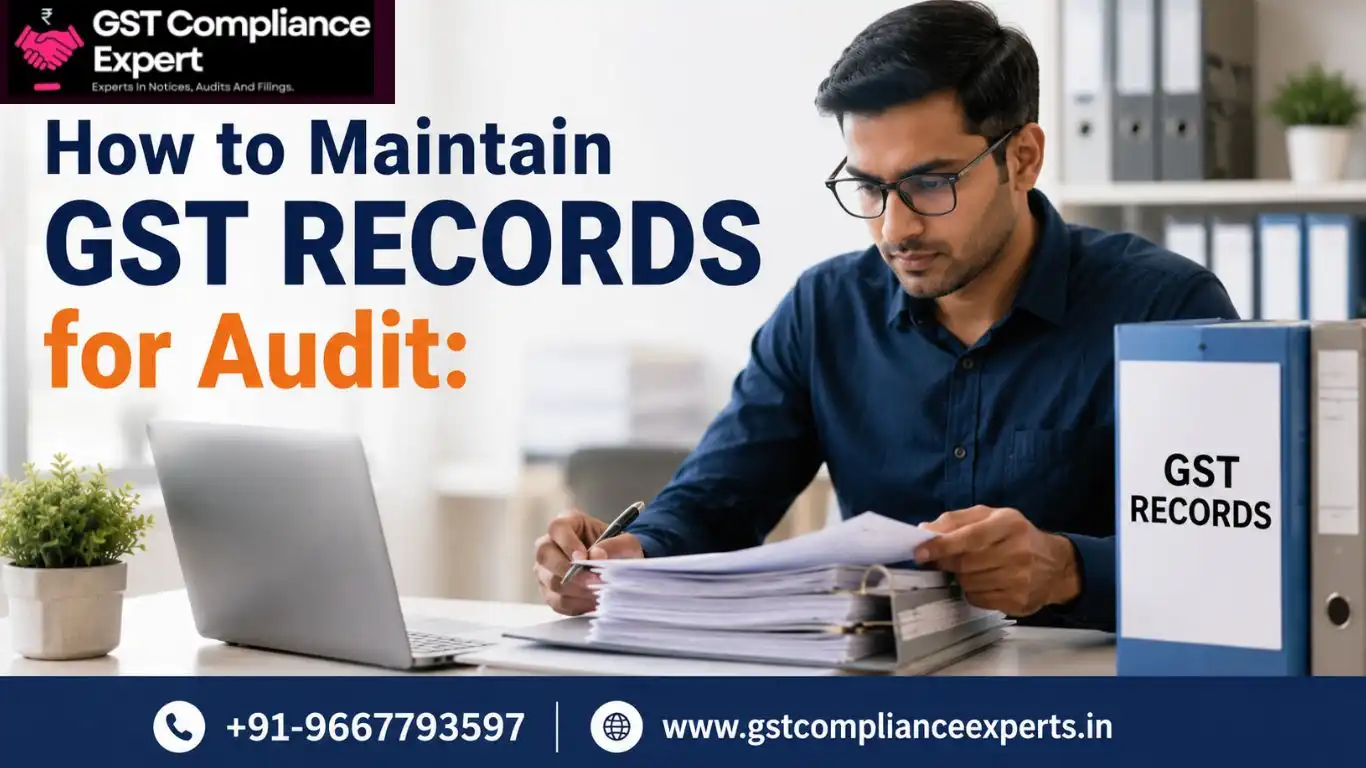
How to Maintain GST Records for Audit: Complete Guide

Maintaining proper GST records is not just a compliance requirement—it is the backbone of a smooth audit process. Many businesses face penalties, notices, or legal complications simply because their records are incomplete or poorly maintained.

If you want to stay audit-ready and avoid unnecessary risks, understanding record-keeping is essential. With the support of professional gst audit services Delhi, businesses can ensure accurate documentation and hassle-free audits.

Why GST Record Maintenance is Important

GST law requires every registered taxpayer to maintain accurate and updated records of all transactions. Proper record-keeping helps in:

  • Filing accurate GST returns
  • Supporting input tax credit (ITC) claims
  • Responding to GST notices
  • Passing GST audits smoothly
  • Avoiding penalties and legal issues

Without proper records, even genuine transactions can be questioned by authorities.

Types of GST Records You Must Maintain

Businesses must maintain a variety of records under GST, including:

  • Sales register (outward supplies)
  • Purchase register (inward supplies)
  • Tax invoices and bills of supply
  • Debit and credit notes
  • Input tax credit records
  • E-way bills
  • Bank statements and payment records
  • Stock and inventory records

Maintaining these records systematically is crucial for audit readiness.

Mandatory Record Retention Period

As per GST law, records must be preserved for at least 6 years from the due date of filing annual returns.

Failure to maintain records for the required period can result in penalties during audits.

Key Elements of Proper GST Record Maintenance

To ensure compliance, your records should:

  • Be accurate and complete
  • Be updated regularly
  • Match GST returns (GSTR-1, GSTR-3B, GSTR-2B)
  • Be easily accessible for verification
  • Include supporting documents for every transaction

Professional gst experts for audit in Delhi can help ensure that your records meet these standards.

Best Practices for Maintaining GST Records

Following structured practices can simplify compliance:

1. Use Digital Accounting Systems

Adopt GST-enabled accounting software to automate record-keeping and reduce manual errors.

2. Maintain Invoice Discipline

Ensure all invoices are properly generated, numbered, and stored.

3. Perform Regular Reconciliation

Match your books with GST returns monthly to identify discrepancies early.

4. Organize Documents Properly

Maintain digital and physical copies of records in a structured format.

5. Track Input Tax Credit

Keep detailed ITC records and verify them with GSTR-2B.

6. Maintain Vendor Compliance

Ensure that your vendors file their GST returns on time to avoid ITC issues.

Common Mistakes in GST Record Maintenance

Many businesses make errors that lead to audit complications:

  • Missing or incomplete invoices
  • عدم proper documentation for expenses
  • Mismatch between books and GST returns
  • Poor storage of records
  • Failure to reconcile regularly

These mistakes increase the risk of notices and penalties.

GST Record Maintenance for Shops and Small Businesses

Small businesses and shop owners often face challenges due to limited resources.

A gst legal consultant for shops can help with:

  • Setting up proper record-keeping systems
  • Ensuring compliance with GST rules
  • Managing documentation efficiently
  • Preparing for audits

This support helps small businesses stay compliant without operational burden.

Role of GST Audit Experts

Professional gst audit services in Delhi play a vital role in ensuring audit readiness.

Their services include:

  • Reviewing and organizing GST records
  • Identifying gaps and discrepancies
  • Preparing audit documentation
  • Assisting during GST audits
  • Providing compliance advisory

With expert support, businesses can handle audits confidently.

Importance of GST Advocate in Audit Cases

In case of disputes or serious audit findings, legal assistance may be required.

A gst advocate in Delhi can help with:

  • Responding to audit notices
  • Representing before GST authorities
  • Handling litigation and appeals
  • Protecting your business interests

This ensures that your business is legally secure during audits.

Consequences of Poor Record Maintenance

Failure to maintain proper GST records can lead to:

  • Disallowance of input tax credit
  • Penalties and interest
  • GST notices and scrutiny
  • Audit complications
  • Legal proceedings

These consequences can significantly impact your business operations.

Benefits of Proper GST Record Maintenance

Maintaining accurate records offers several advantages:

  • Smooth and hassle-free audits
  • Accurate GST return filing
  • Reduced risk of penalties
  • Better financial management
  • Improved business credibility

It also helps in making informed business decisions.

Why Choose GST Compliance Experts?

At GST Compliance Experts, we provide reliable gst audit services in Delhi to help businesses maintain proper records and stay audit-ready.

Our services include:

  • GST record review and management
  • Audit preparation and support
  • Return reconciliation and correction
  • ITC verification
  • Notice handling and legal assistance

With experienced gst experts for audit in Delhi and legal professionals, we ensure complete compliance for your business.

Final Thoughts

Maintaining GST records for audit is not just a legal obligation—it is a strategic practice that protects your business from risks and ensures smooth operations. With proper systems, regular reconciliation, and expert guidance, businesses can stay fully compliant and audit-ready.

If you are looking for professional gst audit services in Delhi or need assistance from a gst legal consultant for shops, GST Compliance Experts is your trusted partner for accurate and hassle-free GST compliance.


Frequently Asked Questions (FAQs)

  1. What records are required to be maintained under GST?
    Businesses must maintain sales and purchase registers, tax invoices, debit/credit notes, ITC records, e-way bills, bank statements, and stock records for GST compliance.
  2. How long should GST records be preserved?
    GST records must be maintained for at least 6 years from the due date of filing the annual return for the relevant financial year.
  3. Why is GST record maintenance important for audits?
    Proper records help verify transactions, support ITC claims, and ensure smooth GST audits without penalties or legal issues.
  4. Can poor record maintenance lead to GST penalties?
    Yes, incomplete or inaccurate records can result in penalties, disallowance of ITC, and GST notices from the department.
  5. How often should GST records be reconciled?
    GST records should ideally be reconciled monthly to identify mismatches and correct errors in a timely manner.
  6. Can small shop owners manage GST records themselves?
    While possible, errors are common. Taking help from a gst legal consultant for shops ensures proper compliance and reduces risks.
  7. What is the role of GST audit services in Delhi?
    GST audit services Delhi help businesses organize records, identify discrepancies, prepare for audits, and ensure compliance with GST laws.
  8. What happens if records do not match GST returns?
    Mismatch between records and returns can lead to GST notices, audits, penalties, and additional tax liabilities.
  9. When should I hire a GST advocate in Delhi?
    You should consult a gst advocate in Delhi if you face audit notices, disputes, or legal proceedings related to GST compliance.
  10. How can GST Compliance Experts help in audit preparation?
    GST Compliance Experts provide complete support, including record management, reconciliation, audit preparation, and legal assistance to ensure hassle-free GST audits.

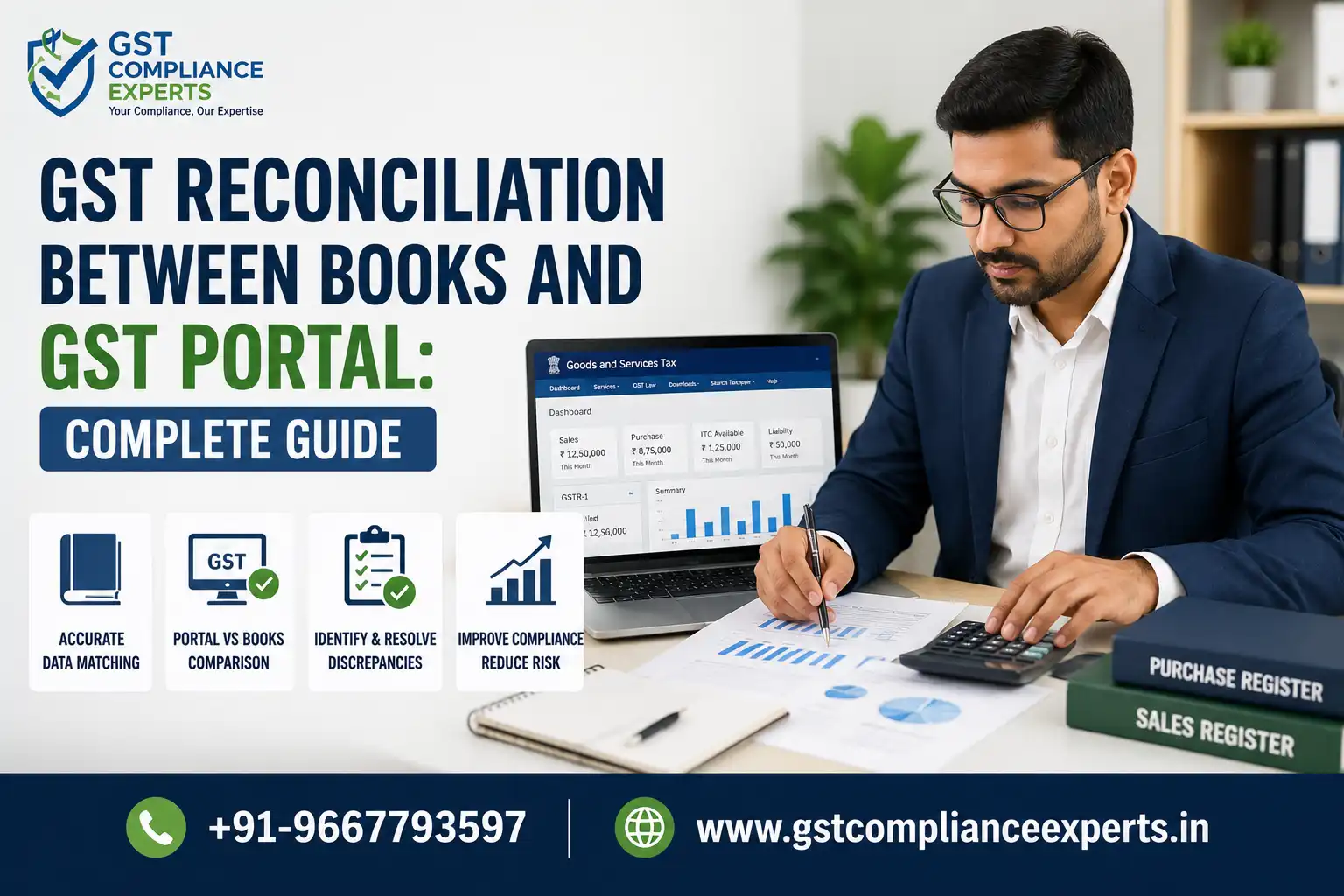
GST Reconciliation Between Books and GST Portal: Complete Guide

GST reconciliation is a critical compliance process that ensures the data recorded in your books of accounts matches the information filed on the GST portal. Any mismatch can trigger notices, penalties, or audits by the tax authorities.

For businesses aiming to maintain accurate compliance, professional gst reconciliation services in Delhi play a key role in identifying discrepancies and ensuring error-free reporting.

What is GST Reconciliation?

GST reconciliation is the process of comparing financial records (sales, purchases, tax data) with GST returns such as GSTR-1, GSTR-3B, and GSTR-2B available on the GST portal.

The purpose is to:

  • Ensure accuracy in reported turnover
  • Verify tax liability and payments
  • Validate input tax credit (ITC)
  • Detect errors or omissions

Regular reconciliation helps businesses stay compliant and audit-ready.

Why GST Reconciliation is Important

GST authorities rely on automated systems to track discrepancies. Even minor mismatches can lead to notices.

Key reasons why reconciliation is essential:

  • Avoid GST notices and penalties
  • Ensure correct ITC claims
  • Maintain consistency in returns
  • Improve financial accuracy
  • Prepare for GST audits

Businesses that neglect reconciliation often face compliance issues.

Key Areas of GST Reconciliation

GST reconciliation involves multiple components:

1. Sales Reconciliation

Matching sales data in books with GSTR-1 to ensure all invoices are reported correctly.

2. GSTR-1 vs GSTR-3B

Ensuring consistency between detailed outward supplies and summary returns.

3. Purchase Reconciliation (GSTR-2B)

Matching purchase records with GSTR-2B to verify ITC eligibility.

4. Tax Liability Verification

Ensuring correct calculation and payment of GST.

5. E-way Bill Reconciliation

Matching e-way bills with reported transactions to avoid discrepancies.

Common Causes of Mismatches

Many businesses face reconciliation issues due to:

  • Missing or duplicate invoices
  • Incorrect data entry
  • Timing differences in reporting
  • Wrong tax rates or classification
  • Supplier non-compliance
  • Manual accounting errors

Identifying these issues early is crucial for avoiding penalties.

Step-by-Step GST Reconciliation Process

To perform effective reconciliation, follow these steps:

1. Collect Financial Data

Gather sales, purchase, and tax records from your accounting system.

2. Download GST Returns

Obtain GSTR-1, GSTR-3B, and GSTR-2B from the GST portal.

3. Match Sales Data

Compare your sales register with GSTR-1 to identify missing or incorrect entries.

4. Compare Returns

Check consistency between GSTR-1 and GSTR-3B.

5. Verify ITC

Match purchase records with GSTR-2B to ensure correct ITC claims.

6. Identify Differences

List discrepancies and analyze their causes.

7. Rectify Errors

Make corrections through amendments in subsequent returns.

8. Maintain Reports

Keep reconciliation reports for audit and compliance purposes.

For accuracy, businesses often rely on gst experts for return filing in Delhi to handle this process professionally.

Role of GST Experts in Reconciliation

Professional gst reconciliation services in Delhi provide comprehensive support, including:

  • Detailed data analysis and matching
  • Identification of discrepancies
  • Correction and amendment guidance
  • ITC validation and optimization
  • Audit preparation and documentation

Their expertise ensures accurate compliance and reduces risks.

Importance for Startups and Growing Businesses

Startups often overlook GST reconciliation due to limited resources, which can lead to serious issues later.

A gst legal consultant for startups can help with:

  • Setting up proper accounting systems
  • Ensuring compliance from the beginning
  • Avoiding costly errors
  • Handling GST notices and audits

Early professional support helps startups scale without compliance risks.

Consequences of Not Reconciling GST Data

Ignoring reconciliation can lead to:

  • GST notices and scrutiny
  • Incorrect tax payments
  • Loss of input tax credit
  • Financial discrepancies
  • Legal complications

In such cases, assistance from a gst advocate Delhi may be required.

Best Practices for GST Reconciliation

To maintain smooth compliance, follow these best practices:

  • Perform monthly reconciliation
  • Use GST-enabled accounting software
  • Maintain accurate records
  • Communicate with vendors for timely filings
  • Review returns before submission
  • Seek professional help for complex cases

Consistency is key to avoiding errors.

Benefits of Professional GST Reconciliation Services

Outsourcing reconciliation offers several advantages:

  • Improved accuracy in GST filings
  • Reduced risk of notices and penalties
  • Better financial control
  • Time and cost efficiency
  • Expert handling of complex issues

This allows businesses to focus on growth while ensuring compliance.

Why Choose GST Compliance Experts?

At GST Compliance Experts, we provide reliable gst reconciliation services in Delhi tailored to your business needs.

Our services include:

  • End-to-end GST reconciliation
  • Return filing and correction
  • ITC verification and management
  • Notice handling and legal support
  • Advisory for startups and businesses

With experienced gst experts for return filing in Delhi and legal professionals, we ensure your business remains compliant and risk-free.

Final Thoughts

GST reconciliation between books and the GST portal is not just a routine task—it is a vital process for maintaining compliance and avoiding financial risks. Regular reconciliation, proper documentation, and expert guidance can help businesses stay ahead of compliance challenges.

If you are looking for professional gst reconciliation services in Delhi or need support from a gst legal consultant for startups, GST Compliance Experts is your trusted partner for accurate and hassle-free GST compliance.

How GST Compliance Experts Can Help Reduce Your Tax Risk

How GST Compliance Experts Can Help Reduce Your Tax Risk

GST compliance is one of the most critical yet complex aspects of running a business in India. With frequent updates in tax laws, strict reporting requirements, and automated scrutiny systems, even minor errors can lead to notices, penalties, or legal complications.

This is where professional gst compliance experts in Delhi play a crucial role. By ensuring accurate filings, proper documentation, and legal compliance, they help businesses significantly reduce tax risks and operate smoothly.

Understanding Tax Risk Under GST

Tax risk refers to the possibility of financial loss or legal consequences due to non-compliance with GST laws. These risks may arise from:

  • Incorrect GST return filing
  • Mismatch in financial records
  • Wrong input tax credit (ITC) claims
  • Non-compliance with GST regulations
  • Delayed responses to GST notices

With increasing digital tracking by the GST department, businesses are more exposed to compliance risks than ever before.

Common Causes of GST-Related Tax Risks

Many businesses unknowingly expose themselves to risks due to:

  • Lack of proper GST knowledge
  • Manual errors in accounting and filing
  • Failure to reconcile GST returns
  • Incorrect classification of goods and services
  • Ignoring GST notices or deadlines

These issues can escalate quickly without professional guidance.

How GST Compliance Experts Help Minimize Tax Risk

Professional gst compliance experts in Delhi provide structured and proactive solutions to reduce tax risks. Here’s how they help:

1. Accurate GST Return Filing

Experts ensure that all GST returns are filed correctly and on time, reducing the chances of errors and penalties.

2. Regular Reconciliation

They perform detailed reconciliation of GSTR-1, GSTR-3B, and GSTR-2B to identify and correct mismatches before they become serious issues.

3. Proper ITC Management

Experts verify input tax credit eligibility and prevent incorrect claims, which are a major source of GST notices.

4. Compliance Monitoring

They continuously monitor changes in GST laws and ensure that your business stays updated and compliant.

5. Error Detection and Correction

Early detection of errors helps in timely correction through amendments, avoiding future complications.

6. Notice Handling and Representation

Professionals handle GST notices efficiently, draft proper replies, and represent businesses before tax authorities.

Working with gst experts for tax risk in Delhi ensures that your compliance is managed proactively rather than reactively.

Importance of GST Legal Consultant for Small Businesses

Small businesses often lack the resources to manage complex GST compliance internally. A gst legal consultant for small businesses can provide:

  • Tailored compliance strategies
  • Legal advice on complex transactions
  • Support in case of audits and disputes
  • Risk assessment and mitigation planning

This helps small businesses avoid costly mistakes and focus on growth.

Role of GST Advocate in Risk Management

In cases involving disputes or legal proceedings, a gst advocate in Delhi becomes essential.

They assist with:

  • Legal representation before GST authorities
  • Handling litigation and appeals
  • Drafting legal notices and replies
  • Advising on compliance strategies

Their expertise ensures that your business is protected from legal risks.

Benefits of Hiring GST Compliance Experts

Partnering with professionals offers multiple advantages:

  • Reduced risk of penalties and notices
  • Accurate and timely compliance
  • Better financial management
  • Peace of mind for business owners
  • Focus on core business activities

It also improves your credibility with clients, vendors, and tax authorities.

Real-Life Example

Consider a small digital marketing agency that failed to reconcile its GST returns regularly. Due to mismatched data between GSTR-1 and GSTR-3B, the business received a notice demanding additional tax and penalties.

After consulting gst compliance experts in Delhi, the issue was identified as a reporting error. The experts corrected the returns, filed proper replies, and resolved the notice with minimal financial impact.

This example highlights how professional support can prevent and resolve tax risks effectively.

Best Practices to Reduce GST Tax Risk

Businesses can further minimize risks by following these practices:

  • Maintain accurate and updated records
  • Reconcile GST returns monthly
  • Verify ITC before claiming
  • File returns on time
  • Keep track of GST law updates
  • Seek professional assistance when needed

Combining these practices with expert support ensures strong compliance.

Why Choose GST Compliance Experts?

At GST Compliance Experts, we specialize in providing end-to-end GST solutions tailored to your business needs.

Our services include:

  • GST return filing and reconciliation
  • ITC verification and optimization
  • GST audit and compliance review
  • Notice handling and legal support
  • Advisory services for risk management

As trusted gst compliance experts in Delhi, we help businesses reduce tax risks and maintain smooth operations.

Final Thoughts

GST compliance is not just about filing returns—it is about managing risk effectively. With increasing scrutiny and complex regulations, businesses cannot afford to take compliance lightly.

By partnering with experienced gst compliance experts in Delhi, you can ensure accurate compliance, minimize risks, and focus on growing your business with confidence.

If you are looking for expert guidance, GST Compliance Experts is your reliable partner for reducing tax risk and achieving hassle-free compliance.


Frequently Asked Questions (FAQs)

  1. What are GST tax risks for businesses?
    GST tax risks include penalties, interest, notices, or legal action arising from incorrect return filing, wrong ITC claims, or non-compliance with GST laws.
  2. How do GST compliance experts in Delhi reduce tax risk?
    GST compliance experts in Delhi help by ensuring accurate return filing, regular reconciliation, proper ITC management, and timely handling of notices.
  3. Why is GST reconciliation important for reducing tax risk?
    Reconciliation helps identify mismatches between returns and financial records, allowing businesses to correct errors before they lead to notices or penalties.
  4. Can small businesses benefit from GST compliance experts?
    Yes, a gst legal consultant for small businesses provides tailored compliance solutions, helping small businesses avoid costly mistakes and maintain compliance.
  5. What happens if GST compliance is not maintained properly?
    Non-compliance can result in penalties, interest, GST notices, cancellation of registration, and even legal proceedings.
  6. When should I hire a GST advocate in Delhi?
    You should consult a gst advocate in Delhi when facing GST notices, audits, disputes, or legal proceedings related to tax compliance.
  7. How do GST experts handle notices?
    GST experts analyze the notice, prepare accurate replies, submit required documents, and represent businesses before GST authorities.
  8. What is the role of ITC management in reducing tax risk?
    Proper ITC management ensures that only eligible credits are claimed, preventing disputes and penalties from incorrect claims.
  9. Can GST compliance experts help prevent audits?
    While audits cannot always be avoided, proper compliance and accurate filings reduce the chances of scrutiny and make audits smoother.
  10. Why choose GST Compliance Experts in Delhi?
    GST Compliance Experts provide end-to-end GST solutions, including compliance, reconciliation, audit support, and legal assistance, helping businesses minimize tax risks effectively.

GST Compliance for Freelancers and Gig-Economy Workers: Complete Guide

The rise of freelancing and gig work in India has created new opportunities for professionals across industries. From digital marketers and designers to consultants and developers, more individuals are working independently than ever before. However, with this flexibility comes the responsibility of tax compliance, especially under GST.

Understanding gst compliance for freelancers is essential to avoid penalties, maintain credibility, and ensure smooth financial operations. If you are a freelancer or gig worker, this guide will help you navigate GST requirements effectively.

Who is Considered a Freelancer Under GST?

A freelancer is an individual who provides services independently without being employed by a company. Under GST, freelancers are treated as service providers.

Examples include:

  • Digital marketers and SEO professionals
  • Web developers and designers
  • Content writers and video creators
  • Consultants and advisors
  • App developers and IT professionals

All such individuals fall under the category of taxable persons if they meet GST applicability criteria.

Is GST Registration Mandatory for Freelancers?

GST registration depends on certain conditions:

  • If annual turnover exceeds the prescribed threshold limit
  • If services are provided interstate
  • If services are exported outside India
  • If working through online platforms or marketplaces

Even if turnover is below the threshold, freelancers may opt for voluntary registration to claim input tax credit and build business credibility.

GST Rates Applicable to Freelancers

Most freelance services fall under standard GST rates, typically:

  • 18% GST for professional and technical services

However, correct classification of services is crucial to avoid errors. Consulting gst experts for freelancers in Delhi ensures accurate tax application.

Invoicing Requirements for Freelancers

Freelancers registered under GST must issue proper invoices that include:

  • Name and GSTIN of the supplier
  • Invoice number and date
  • Description of services
  • Taxable value and GST amount
  • Place of supply
  • Client details

Incorrect invoicing is one of the most common reasons for GST notices.

Filing GST Returns

Freelancers must file regular GST returns such as:

  • GSTR-1 (details of outward supplies)
  • GSTR-3B (summary return)

Timely filing is essential to avoid penalties and maintain compliance status.

Input Tax Credit (ITC) for Freelancers

Freelancers can claim ITC on business-related expenses such as:

  • Software subscriptions
  • Office rent
  • Internet and utility expenses
  • Professional services

However, ITC can only be claimed if:

  • The expense is used for business purposes
  • Proper invoices are available
  • The supplier has filed GST returns

Incorrect ITC claims can lead to notices, so guidance from a gst legal consultant for self-employed is beneficial.

GST on Export of Services

Many freelancers work with international clients. Export of services is generally treated as zero-rated under GST, meaning:

  • No GST is charged on exports
  • Refund of ITC can be claimed

However, certain conditions must be fulfilled, including receipt of payment in foreign currency.

Common GST Mistakes by Freelancers

Freelancers often make compliance mistakes due to lack of awareness:

  • Not registering under GST when required
  • Charging incorrect GST rates
  • Not issuing proper invoices
  • Missing return filing deadlines
  • Claiming ineligible ITC
  • Ignoring GST notices

These mistakes can result in penalties and legal complications.

GST Compliance Challenges in Gig Economy

Gig workers face unique challenges such as:

  • Multiple clients across states
  • Payments through different platforms
  • Irregular income patterns
  • Cross-border transactions

These factors make GST compliance more complex and require expert handling.

Benefits of GST Compliance for Freelancers

Proper GST compliance offers several advantages:

  • Legal recognition and credibility
  • Ability to work with corporate clients
  • Eligibility for input tax credit
  • Smooth financial and tax management
  • Reduced risk of penalties and notices

Compliance also enhances your professional image in the market.

Role of GST Experts and Legal Consultants

Professional support cansimplify GST compliance significantly.

A gst legal consultant for self-employed and gst advocate in Delhi can help with:

  • GST registration and setup
  • Accurate return filing
  • ITC management
  • Handling GST notices
  • Legal representation if required

Working with GST experts for freelancers in Delhi ensures that your compliance is accurate and hassle-free.

Why Choose GST Compliance Experts?

At GST Compliance Experts, we provide specialized services for freelancers and gig workers.

Our offerings include:

  • GST registration and consultation
  • Return filing and reconciliation
  • ITC optimization
  • Notice handling and legal support
  • Advisory for export of services

As trusted GST experts for freelancers in Delhi, we help you focus on your work while we handle your compliance.

Final Thoughts

GST compliance for freelancers is not just a legal requirement but a crucial step toward building a sustainable and professional career. With increasing scrutiny and digital tracking, even small errors can lead to penalties.

By understanding GST rules, maintaining proper records, and seeking help from professionals, freelancers can ensure smooth compliance and avoid unnecessary risks.

If you are looking for expert assistance, GST Compliance Experts is your reliable partner for complete gst compliance for freelancers and gig workers in Delhi.


Frequently Asked Questions (FAQs)

  1. Is GST registration mandatory for freelancers in India?
    GST registration is mandatory if your annual turnover exceeds the prescribed limit or if you provide interstate or export services. Otherwise, you may opt for voluntary registration.
  2. What is the GST rate applicable to freelancers?
    Most freelance services are taxed at 18% under GST. However, the exact rate depends on the nature of services provided.
  3. Do freelancers need to file GST returns every month?
    Yes, registered freelancers are required to file GST returns such as GSTR-1 and GSTR-3B either monthly or quarterly, depending on their turnover and scheme.
  4. Can freelancers claim input tax credit (ITC)?
    Yes, freelancers can claim ITC on business-related expenses if they have valid invoices and the supplier has filed their GST returns.
  5. Is GST applicable on export of freelance services?
    Export of services is considered zero-rated under GST, meaning no tax is charged, but compliance requirements must still be fulfilled.
  6. What happens if a freelancer does not comply with GST rules?
    Non-compliance can lead to penalties, interest, GST notices, and legal action. It is advisable to consult gst experts for freelancers in Delhi for proper compliance.
  7. Do freelancers need to issue GST invoices?
    Yes, registered freelancers must issue GST-compliant invoices with all required details such as GSTIN, invoice number, and tax breakdown.
  8. Can a freelancer handle GST compliance самостоятельно?
    While it is possible, errors are common. Taking help from a gst legal consultant for self-employed ensures accurate compliance and avoids future issues.
  9. How can GST experts help freelancers?
    GST experts assist with registration, return filing, ITC claims, reconciliation, and handling notices, making compliance easier and error-free.
  10. Why should freelancers hire GST Compliance Experts in Delhi?
    GST Compliance Experts provide specialized support for freelancers, ensuring accurate filings, legal compliance, and hassle-free GST management.

GST Notice Reply vs Appearing Before GST Officer: What You Need to Know

Receiving a GST notice can be overwhelming, especially when you are unsure whether a written reply is sufficient or if you are required to appear before a GST officer. Many taxpayers make the mistake of either ignoring notices or responding incorrectly, which can lead to penalties and legal complications.

Understanding the difference between replying to a notice and appearing before a GST officer is crucial. With the help of professional GST notice handling services in Delhi, businesses can respond appropriately and avoid unnecessary risks.

What is a GST Notice Reply?

A GST notice reply is a written response submitted by the taxpayer through the GST portal or in a prescribed format. It includes explanations, supporting documents, and clarifications requested by the department.

A notice reply is typically required in cases such as:

  • Mismatch in GST returns
  • Non-filing or delayed filing of returns
  • Input tax credit discrepancies
  • E-way bill issues
  • General scrutiny notices

In many situations, a well-drafted reply can resolve the matter without further action.

What Does Appearing Before a GST Officer Mean?

In certain cases, the GST department may require the taxpayer to appear in person (or through an authorized representative) before a GST officer.

This usually happens when:

  • The issue is complex or involves large tax amounts
  • The officer requires further clarification
  • The reply submitted is insufficient or unclear
  • There is suspicion of fraud or serious non-compliance

Personal appearance allows the officer to directly question and verify facts.

Key Differences Between Notice Reply and Personal Appearance

Understanding the distinction helps in taking the right approach:

  • Notice reply is a written submission; appearance involves face-to-face interaction
  • Replies are submitted online; appearance may require visiting the GST office
  • Simple issues are resolved through replies; complex matters may require appearance
  • Replies rely on documentation; appearance involves explanation and representation

Choosing the correct method depends on the nature and seriousness of the notice.

When is a GST Notice Reply Enough?

A written reply is generally sufficient in the following situations:

  • Minor discrepancies in returns
  • Clerical or calculation errors
  • Mismatch due to timing differences
  • Documentation-based clarifications

A strong reply prepared by GST experts for a notice reply can resolve the issue without escalation.

When Do You Need to Appear Before a GST Officer?

Personal appearance becomes necessary when:

  • The department issues a summons
  • There is a demand for a detailed explanation
  • The case involves audit or investigation
  • The reply submitted is not satisfactory

In such cases, representation by a GST advocate Delhi or professional is highly recommended.

Risks of Incorrect Handling

Improper handling of GST notices can lead to serious consequences:

  • Rejection of reply
  • Higher tax demand
  • Penalties and interest
  • Legal proceedings
  • Cancellation of GST registration

Many businesses face these issues due to a lack of proper guidance.

Importance of Professional GST Notice Handling Services

Handling GST notices requires technical knowledge, legal understanding, and proper documentation. Professional GST notice handling services Delhi help businesses manage notices effectively.

Key benefits include:

  • Accurate analysis of the notice
  • Drafting legally sound replies
  • Preparing supporting documentation
  • Representation before GST authorities
  • Reducing risk of penalties and litigation

Working with GST experts for notice reply ensures that your case is handled correctly from the start.

Role of GST Legal Consultant and Advocate

For complex cases, legal expertise becomes essential.

A GST legal consultant for notices and a GST advocate in Delhi can assist with:

  • Interpreting legal provisions
  • Drafting detailed and compliant replies
  • Representing during personal hearings
  • Handling disputes and appeals
  • Protecting your legal rights

This is especially important in cases involving large tax demands or allegations of non-compliance.

Best Practices for Handling GST Notices

To avoid complications, follow these best practices:

  • Never ignore a GST notice
  • Read and understand the notice carefully
  • Respond within the prescribed deadline
  • Provide accurate and complete information
  • Maintain proper documentation
  • Seek expert help when needed

Timely and correct action can prevent escalation.

Why Choose GST Compliance Experts?

At GST Compliance Experts, we specialize in GST notice handling services in Delhi for businesses across industries.

Our services include:

  • GST notice reply drafting and filing
  • Representation before GST officers
  • Legal consultation and advisory
  • Audit and scrutiny support
  • End-to-end litigation assistance

With experienced GST advocates in Delhi and compliance professionals, we ensure your case is handled efficiently and professionally.

Final Thoughts

Understanding whether to reply to a GST notice or appear before a GST officer is critical for proper compliance. While simple cases can be resolved through written replies, complex matters may require professional representation.

Choosing the right approach with the help of GST notice handling services in Delhi can save your business from penalties, legal issues, and unnecessary stress.

If you are facing a GST notice or need expert guidance, GST Compliance Experts is your trusted partner for reliable and effective solutions.

Common Mistakes in GST Registration and How to Avoid Them

GST registration is the foundation of tax compliance for any business in India. While the process is completely online, many applicants still face rejection, delays, or future compliance issues due to simple but critical mistakes.

If you are planning to apply through GST registration services in Delhi, understanding these common mistakes can help you avoid unnecessary complications and ensure smooth approval.

Why GST Registration Accuracy Matters

Incorrect GST registration does not just delay approval—it can create long-term compliance issues. Errors made during registration may lead to:

  • Rejection of the application
  • Delays in GSTIN allotment
  • Difficulty in filing returns
  • Issues in claiming input tax credit (ITC)
  • GST notices and legal complications

This is why many businesses prefer GST experts for registration to handle the process professionally.

Most Common Mistakes in GST Registration

Let’s look at the most frequent errors applicants make during GST registration.

1. Incorrect PAN and Aadhaar Details

PAN and Aadhaar are the most important identity documents for GST registration. Any mismatch in name, date of birth, or number can lead to application rejection.

How to avoid it:
Ensure that PAN and Aadhaar details match exactly with official records before applying.

2. Choosing the Wrong Business Structure

Selecting the wrong type of business entity (proprietorship, partnership, LLP, or company) can create legal and tax complications later.

How to avoid it:
Consult a GST legal consultant for registration to choose the correct structure based on your business needs.

3. Incorrect Business Address Proof

Submitting invalid or unclear address proof is a common reason for rejection.

Common issues include:

  • Mismatch in address details
  • Missing rent agreement or NOC
  • Uploading unclear documents

How to avoid it:
Provide valid and clear address proof along with supporting documents like an electricity bill and a rent agreement.

4. Wrong Selection of Business Activities

Many applicants incorrectly select the nature of business activities (trader, service provider, manufacturer), which affects tax compliance later.

How to avoid it:
Choose business activities carefully and ensure they match your actual operations.

5. Errors in Bank Account Details

Providing incorrect bank details or uploading invalid proof can delay the registration process.

How to avoid it:
Submit a valid cancelled cheque or bank statement with correct business details.

6. Incorrect HSN/SAC Code Selection

Wrong classification of goods or services using incorrect HSN/SAC codes can lead to compliance issues and incorrect tax rates.

How to avoid it:
Seek guidance from GST experts for registration to ensure proper classification.

7. Not Opting for Aadhaar Authentication

Skipping Aadhaar authentication may lead to physical verification, which delays approval.

How to avoid it:
Complete Aadhaar authentication to speed up the registration process.

8. Uploading Incomplete or Incorrect Documents

Many applications are rejected due to missing or incorrect documents.

Examples include:

  • Missing authorization letter
  • Incorrect partnership deed
  • Incomplete company documents

How to avoid it:
Prepare all required documents carefully before applying.

9. Providing Incorrect Contact Details

A wrong email ID or mobile number can prevent you from receiving OTPs and important updates.

How to avoid it:
Ensure that contact details are active and accessible.

10. Ignoring Post-Registration Compliance

Many businesses assume that work ends after GST registration, but compliance begins afterward.

Common mistakes include:

  • Not filing returns on time
  • Not maintaining proper records
  • Ignoring GST notices

How to avoid it:
Stay compliant or hire GST registration services in Delhi for ongoing support.

Consequences of GST Registration Mistakes

Mistakes during registration can lead to:

  • Application rejection or delay
  • Penalties for non-compliance
  • Loss of business opportunities
  • Legal notices from the GST department

In serious cases, you may need assistance from a GST advocate in Delhi to resolve issues.

How to Ensure Error-Free GST Registration

To avoid mistakes, follow these best practices:

  • Verify all documents before submission
  • Use accurate business details
  • Choose the correct business structure and activities
  • Complete Aadhaar authentication
  • Keep digital copies of all documents
  • Consult professionals for guidance

Professional assistance significantly reduces the chances of rejection.

Role of GST Experts and Legal Consultants

Hiring GST experts for registration ensures that your application is accurate and compliant from the beginning.

A GST legal consultant for registration can help with:

  • Correct documentation and filing
  • Business structure advisory
  • Handling queries or notices
  • Ensuring long-term compliance

This is especially important for startups and growing businesses.

Why Choose GST Compliance Experts?

At GST Compliance Experts, we provide reliable GST registration services in Delhi with a focus on accuracy and speed.

Our services include:

  • End-to-end GST registration
  • Documentation support and verification
  • Business structure consultation
  • Error-free application filing
  • Post-registration compliance support

With experienced gst advocate Delhi and compliance professionals, we ensure your GST journey starts smoothly.

Final Thoughts

GST registration may seem simple, but even small mistakes can lead to delays, rejection, or future compliance issues. Understanding common errors and taking preventive steps can save time and effort.

If you are looking for professional GST registration services in Delhi or need guidance from GST experts for registration, GST Compliance Experts is your trusted partner for hassle-free and accurate GST registration.

GST Audit for Service Providers: Complete Compliance Guide

GST compliance for service providers is more complex than it appears. Unlike product-based businesses, service providers deal with place of supply rules, mixed services, and varying tax treatments, which increase the chances of errors. This is where GST audits become crucial.

If you are a consultant, freelancer, agency, or professional firm, understanding GST audit requirements and opting for professional GST audit services in Delhi can help you avoid penalties and ensure smooth compliance.

What is a GST Audit?

A GST audit is a detailed examination of a taxpayer’s records, returns, and financial statements to verify the correctness of turnover declared, tax paid, and input tax credit (ITC) claimed.

For service providers, GST audits focus heavily on:

  • Nature of services provided
  • Place of supply rules
  • Correct tax classification
  • ITC eligibility

Audits may be conducted either by tax authorities or as part of internal compliance checks.

Who Needs a GST Audit?

GST audit may be applicable in the following situations:

  • Businesses crossing the prescribed turnover threshold
  • Cases selected for departmental audit
  • Mismatches in GST returns
  • High-risk or flagged taxpayers

Service providers with multiple clients, interstate services, or complex billing structures are more likely to face scrutiny.

Key Challenges for Service Providers

Service providers face unique GST challenges that often lead to audit issues:

  • Incorrect determination of the place of supply
  • Misclassification of services and tax rates
  • Errors in invoicing and billing
  • Claiming incorrect or excess ITC
  • Mismatch between books and GST returns

These issues highlight the need for GST audit experts who understand service-based taxation.

Important Areas Covered in GST Audit

During a GST audit for service providers, authorities generally examine:

  • Revenue reported in books vs GST returns
  • GSTR-1 and GSTR-3B reconciliation
  • Input tax credit claims and eligibility
  • Invoices and billing structure
  • Place of supply compliance
  • Reverse charge mechanism (RCM) applicability
  • Contracts and agreements with clients

Even small discrepancies in these areas can trigger notices or tax demands.

Common Mistakes by Service Providers

Many service providers unknowingly make compliance errors such as:

  • Applying incorrect GST rates
  • Ignoring interstate service rules
  • Not issuing proper GST invoices
  • Claiming ITC on ineligible expenses
  • Delayed or incorrect return filing

These mistakes increase the risk of an audit and penalties.

How to Prepare for a GST Audit

Preparation is key to handling GST audits smoothly. Here are essential steps:

  • Maintain accurate and updated books of accounts
  • Reconcile GST returns regularly
  • Verify ITC with GSTR-2B
  • Ensure correct classification of services
  • Maintain proper documentation and contracts
  • Conduct internal audits periodically

Businesses that prepare in advance face fewer complications during audits.

Role of GST Audit Experts

Professional GST audit experts play a vital role in ensuring compliance and minimizing risks. Their services include:

  • Detailed review of GST returns and records
  • Identification and correction of errors
  • ITC validation and reconciliation
  • Audit preparation and documentation
  • Representation before GST authorities

By opting for GST audit services in Delhi, service providers can focus on their core business while experts handle compliance.

Importance of a GST Legal Consultant and Advocate

In case of disputes or notices arising from audits, legal support becomes essential.

A GST legal consultant for service providers and a GST advocate in Delhi can assist with:

  • Drafting replies to audit notices
  • Representing before tax authorities
  • Handling litigation and appeals
  • Advising on complex GST matters

This ensures that your business is legally protected and compliant.

Benefits of Professional GST Audit Services

Hiring professional services offers multiple advantages:

  • Accurate compliance with GST laws
  • Reduced risk of penalties and notices
  • Proper documentation and record management
  • Expert handling of audits and queries
  • Peace of mind and business continuity

For growing service-based businesses, outsourcing compliance is often the most efficient approach.

Why Choose GST Compliance Experts?

At GST Compliance Experts, we provide specialized GST audit services in Delhi tailored for service providers across industries.

Our offerings include:

  • Comprehensive GST audit and review
  • Return reconciliation and correction
  • ITC verification and optimization
  • Notice handling and legal support
  • Expert consultation for service-based businesses

With experienced GST audit experts and a GST advocate in Delhi, we ensure that your business remains compliant and audit-ready.

Final Thoughts

GST audit for service providers is an essential part of maintaining compliance in a complex tax environment. With increasing scrutiny from authorities, even minor errors can lead to serious consequences.

By maintaining proper records, conducting regular reconciliations, and partnering with professional GST audit services in Delhi, service providers can ensure smooth compliance and avoid unnecessary risks.

If you are looking for reliable gst audit experts or need guidance from a gst legal consultant for service providers, GST Compliance Experts is your trusted partner for complete GST solutions.
 

Frequently Asked Questions (FAQs)

  1. What is a GST audit for service providers?
    A GST audit is a detailed review of a service provider’s financial records, GST returns, and tax payments to ensure accuracy and compliance with GST laws.
  2. Who is required to undergo a GST audit?
    Service providers may be subject to a GST audit if their turnover exceeds prescribed limits or if they are selected by the GST department due to discrepancies or risk factors.
  3. Why are GST audits important for service providers?
    GST audits help verify correct tax payment, proper ITC claims, and compliance with place of supply rules, reducing the risk of penalties and legal issues.
  4. What documents are required for a GST audit?
    Key documents include GST returns (GSTR-1, GSTR-3B), sales and purchase records, invoices, agreements, bank statements, and ITC records.
  5. What are common mistakes found during GST audits?
    Common issues include incorrect tax rates, wrong place of supply, excess ITC claims, mismatched returns, and improper documentation.
  6. Can GST audits lead to notices or penalties?
    Yes, if discrepancies are found during the audit, the GST department may issue notices, demand additional tax, or impose penalties.
  7. How can GST audit services in Delhi help service providers?
    Professional GST audit services in Delhi help in reviewing records, identifying errors, preparing audit reports, and representing businesses before tax authorities.
  8. When should I hire a GST legal consultant or advocate?
    You should consult a GST legal consultant for service providers or a GST advocate in Delhi if you receive audit notices, face disputes, or require legal representation.
  9. How can I prepare for a GST audit?
    Maintain accurate records, reconcile GST returns regularly, verify ITC, ensure correct invoicing, and conduct internal audits to stay prepared.
  10. Why choose GST Compliance Experts for GST audit services?
    GST Compliance Experts offer experienced GST audit experts, accurate compliance support, legal assistance, and end-to-end GST audit services tailored for service providers.

connect with taxation legal Advisor